

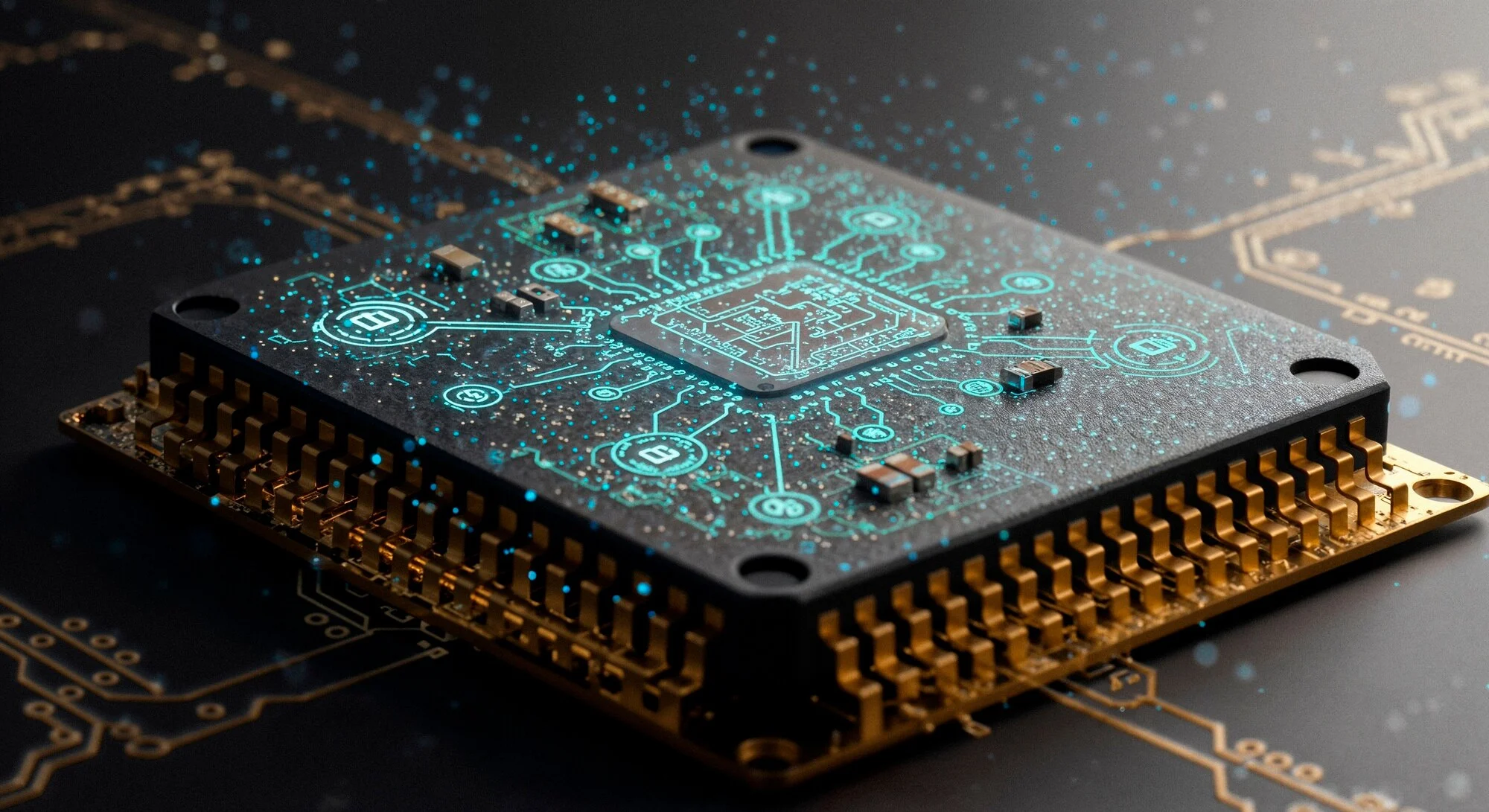
The arrival of LPDDR6 RAM is poised to significantly transform the landscape of memory technology. As the latest advancement in RAM technology, LPDDR6 promises to deliver unprecedented performance and efficiency improvements for a range of devices, from smartphones to high-performance computing systems. In this article, we will explore the specifications, features, and potential market impact of LPDDR6, addressing key questions and considerations for tech enthusiasts and industry professionals alike.
What is LPDDR6 RAM?
LPDDR6 RAM, or Low Power Double Data Rate 6, represents the next generation of memory technology designed to enhance data transfer rates and power efficiency. Building on the successes of its predecessor, LPDDR5, this new iteration aims to address the growing demands of modern applications, including artificial intelligence, virtual reality, and 5G connectivity.
Key Specifications of LPDDR6 RAM
- Data Transfer Rate: LPDDR6 boasts a projected data transfer rate of up to 17,000 MT/s (megatransfers per second), marking a substantial increase over LPDDR5’s 6,400 MT/s.
- Memory Bandwidth: Enhanced bandwidth capabilities allow for faster processing and data handling, crucial for graphics-intensive applications.
- Power Efficiency: LPDDR6 introduces advancements in power management, reducing power consumption and extending battery life in mobile devices.
- Semiconductor Innovation: Built on cutting-edge semiconductor processes, LPDDR6 is designed to be more efficient and powerful than previous generations.
Comparison: LPDDR6 vs. LPDDR5
Understanding the advancements of LPDDR6 over LPDDR5 is crucial for anticipating its impact on future devices.
| Feature | LPDDR5 | LPDDR6 |
|---|---|---|
| Data Transfer Rate | 6,400 MT/s | Up to 17,000 MT/s |
| Power Efficiency | Improved over LPDDR4 | Significantly improved, with enhanced power management |
| Manufacturing Process | Advanced semiconductor technology | Next-gen semiconductor manufacturing |
Performance Metrics
LPDDR6’s increased data transfer rate directly translates to faster processing capabilities, making it ideal for high-performance computing and gaming applications. Its improved memory bandwidth ensures smoother multitasking and enhanced graphics rendering, crucial for virtual reality experiences.
Power Efficiency Improvements
One of the standout features of LPDDR6 is its power efficiency. By utilizing advanced power management techniques, LPDDR6 minimizes energy consumption, which is particularly beneficial for mobile devices where battery life is a critical factor.
Applications and Use Cases
The implications of LPDDR6 extend across various sectors, offering substantial benefits in both consumer electronics and industrial applications.
Impact on Mobile Devices
Mobile devices, including smartphones and tablets, are expected to be the primary beneficiaries of LPDDR6 technology. The enhanced performance and power efficiency will allow for more robust applications and longer battery life, catering to the demands of modern users who rely heavily on their devices for work and entertainment.
Data Centers and High-Performance Computing
For data centers and high-performance computing systems, LPDDR6 offers the potential to handle more data-intensive tasks with greater speed and efficiency. This improvement is particularly relevant for applications involving AI, machine learning, and big data analytics, where processing power and speed are paramount.
Market Impact and Release Timeline
As the excitement around LPDDR6 builds, speculation about its release is rife. Industry insiders suggest that the technology could debut in consumer devices as early as 2024, with major tech companies likely to adopt it swiftly to gain a competitive edge.
Expected Launch Dates
While an official release date has yet to be confirmed, analysts predict that LPDDR6 will first appear in high-end devices before becoming standard across various product lines. This gradual rollout will allow manufacturers to refine integration processes and address any compatibility challenges.
Industry Implications
The introduction of LPDDR6 is expected to spark significant changes in the semiconductor industry. Companies that quickly adapt to incorporate this new technology may establish themselves as leaders in innovation, while those that lag could face competitive disadvantages.
Challenges and Considerations
While LPDDR6 offers numerous advantages, some challenges must be addressed during its implementation and adoption.
Manufacturing and Cost Challenges
The production of LPDDR6 involves sophisticated semiconductor manufacturing techniques, which may initially drive up costs. However, as the technology becomes more widespread, economies of scale are likely to reduce these expenses.
Compatibility Issues
Integrating LPDDR6 with existing systems may pose certain compatibility challenges. Manufacturers will need to ensure that devices are suitably equipped to handle the increased data transfer rates and power requirements.
Future Outlook
The advent of LPDDR6 represents a significant leap forward in memory technology. As the industry continues to evolve, further innovations are expected to build on its foundation, leading to even greater efficiency and performance improvements in future generations of RAM.
LPDDR6 is not only a step forward in terms of technology but also a catalyst for broader advancements across the semiconductor industry. As manufacturers and developers explore its potential, we can anticipate further breakthroughs that will continue to push the boundaries of what is possible in computing and mobile technology.
Conclusion
In summary, the arrival of LPDDR6 RAM heralds a new era in memory technology, promising substantial enhancements in performance and efficiency. Its impact will be felt across various sectors, from mobile devices to high-performance computing systems. As we look to the future, staying informed about these developments will be crucial for anyone involved in the tech industry.
Stay updated with the latest advancements in RAM technology and explore how LPDDR6 can enhance your devices and applications. As the technology landscape continues to evolve, keeping abreast of these changes will ensure you remain at the forefront of innovation.
Frequently Asked Questions (FAQ)
- What are the key features of LPDDR6 RAM? LPDDR6 RAM offers enhanced data transfer rates, improved power efficiency, and advanced semiconductor technology.
- How does LPDDR6 differ from LPDDR5? LPDDR6 provides higher data transfer rates and better power management compared to LPDDR5.
- When will LPDDR6 be available? LPDDR6 is expected to debut in consumer devices around 2024, with a gradual rollout across various platforms.
- What devices will use LPDDR6 RAM? Smartphones, tablets, and high-performance computing systems are likely to be the first to adopt LPDDR6 technology.
- What are the potential challenges of adopting LPDDR6? Initial cost and compatibility with existing systems are key challenges, but these are expected to be resolved as adoption increases.
