

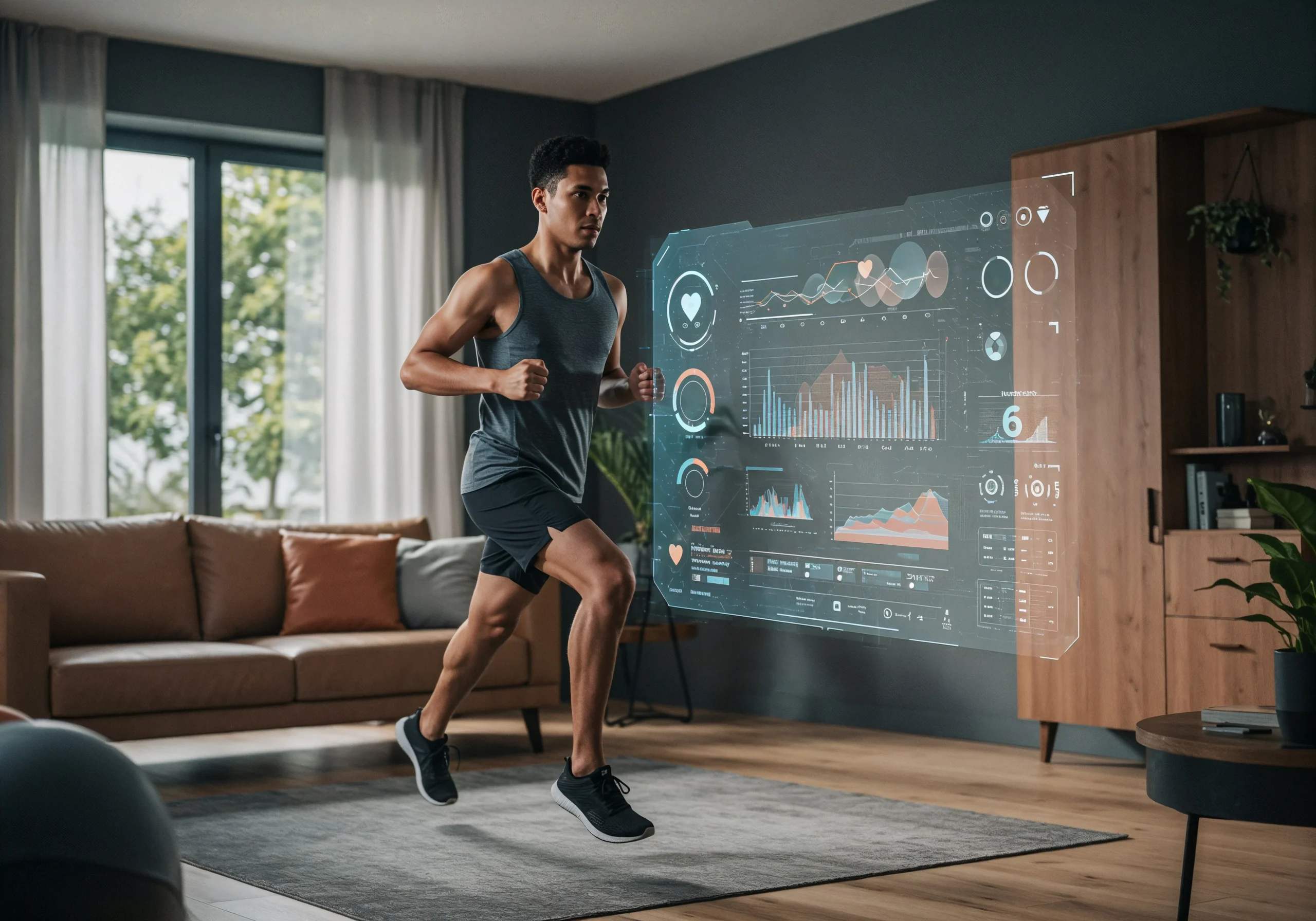
Smart living is no longer limited to digital devices or modern homes. It now extends into how people take care of their health, manage their environment, and build a balanced lifestyle. At the same time, healthcare has evolved into a more connected, accessible, and preventive system. Together, smart living and modern healthcare solutions are reshaping the way people think about well-being and daily life.
Understanding this connection helps individuals make better choices not only about where they live but also how they maintain their health in a fast-changing world.
The Rise of Smart Living in Modern Society
Smart living focuses on improving comfort, efficiency, and quality of life through technology and thoughtful design. It is about creating environments that support healthier and more productive lifestyles.
Connected Homes and Daily Convenience
Modern homes are becoming more intelligent, with systems that control lighting, temperature, and security automatically. These features reduce daily stress and allow people to focus more on their well-being and personal goals.
Lifestyle Efficiency and Time Management
Smart living also improves how people manage their time. Automated systems and digital tools help reduce unnecessary effort, giving individuals more time for rest, exercise, and family life.
Healthcare in the Digital Era
Healthcare has also transformed significantly in recent years. It is no longer limited to hospitals and clinics but now includes digital monitoring, remote consultations, and personalized care systems.
Preventive Care and Early Detection
Modern healthcare focuses heavily on prevention rather than treatment alone. Regular monitoring and early diagnosis help reduce risks and improve long-term health outcomes.
Personalized Health Approaches
Healthcare providers now focus on individual needs rather than one-size-fits-all solutions. This includes customized treatment plans and lifestyle recommendations based on personal health data.
How Living Spaces Impact Health
Where and how people live has a direct impact on their physical and mental health. Smart living environments are designed to support healthier choices and reduce stress.
Air Quality and Environmental Control
Modern homes often include systems that regulate air quality, humidity, and temperature. Clean and balanced environments contribute to better respiratory health and overall comfort.
Mental Well-Being and Home Design
A well-designed living space can improve mood and reduce anxiety. Natural lighting, open spaces, and organized layouts all play a role in supporting mental health.
Many real estate platforms such as ellendewittrealestate com highlight the importance of selecting homes that support both comfort and long-term wellness, reflecting how lifestyle and property choices are becoming more connected.
The Role of Technology in Health Monitoring
Technology has made it easier than ever for individuals to monitor their health in real time.
Wearable Devices and Smart Tracking
Fitness trackers and smartwatches allow users to monitor heart rate, sleep patterns, and physical activity. This helps individuals stay aware of their health status and make informed decisions.
Digital Health Records
Electronic health records make it easier for doctors and patients to access medical history quickly. This improves accuracy in diagnosis and treatment planning.
Integration of Healthcare and Daily Living
The line between healthcare and daily life is becoming increasingly blurred. Health management is now part of everyday routines rather than something separate.
Smart Reminders and Health Alerts
Digital systems can remind individuals to take medication, drink water, or stay active. These small prompts contribute to long-term health improvement.
Remote Healthcare Access
Virtual consultations allow people to connect with healthcare professionals without visiting a clinic. This makes healthcare more accessible, especially in remote or busy areas.
The Importance of Preventive Health Culture
Preventive health is one of the most important aspects of modern healthcare systems. It focuses on avoiding illness before it happens.
Healthy Habits and Lifestyle Choices
Good nutrition, regular exercise, and proper sleep are key components of preventive health. Smart living environments encourage these habits by making them easier to follow.
Awareness and Early Action
Increased awareness allows individuals to take action before health problems become serious. This proactive approach improves overall quality of life.
In the healthcare sector, organizations like Essr Walter Bushnell Healthcare play a role in supporting medical advancements and promoting better access to reliable health solutions that align with modern needs.
Smart Cities and Community Health
The concept of smart living is also expanding into urban development and city planning.
Technology-Driven Infrastructure
Smart cities use technology to improve transportation, reduce pollution, and enhance public services. These improvements directly impact public health.
Community Wellness Programs
Urban areas are increasingly focusing on community health initiatives that promote fitness, mental health awareness, and preventive care.
Mental Health and Digital Balance
While technology improves convenience, maintaining balance is essential for mental well-being.
Managing Screen Time
Excessive use of digital devices can lead to stress and fatigue. Smart living encourages mindful use of technology to maintain mental clarity.
Creating Healthy Digital Habits
Setting boundaries for device usage and incorporating offline activities helps maintain emotional balance and reduce anxiety.
Future of Smart Living and Healthcare Integration
The future will bring even closer integration between living environments and healthcare systems.
AI-Driven Health Insights
Artificial intelligence will play a larger role in predicting health risks and suggesting lifestyle changes based on real-time data.
Fully Connected Health Ecosystems
Homes, devices, and healthcare systems will work together to create seamless health monitoring and support systems.
Final Thoughts
The connection between smart living and modern healthcare solutions is shaping a new way of life. It is no longer just about treating illness but about creating environments and habits that support long-term wellness.
By combining intelligent living spaces, digital health tools, and preventive care systems, individuals can achieve a healthier and more balanced lifestyle. As technology continues to evolve, this integration will become even more natural, making health management easier and more effective for everyone.
Smart living is not just a trend—it is the foundation of a healthier future.
