

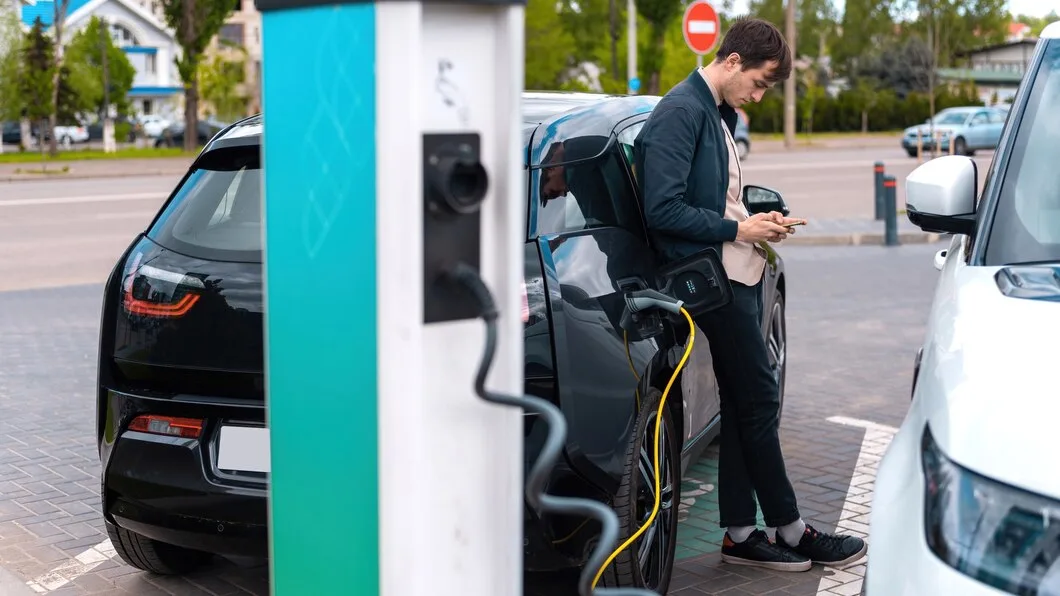
Public EV charging is not simply an equipment purchase. It is a property, transportation, utility, and customer-service decision that affects whether drivers return. The strongest sites make charging feel like a convenient part of an existing trip, rather than an extra stop that requires detours, unclear instructions, or uncomfortable waiting.
That means location comes before hardware. A property owner may choose high-speed EV charging equipment for a travel-oriented location. Still, power alone will not overcome a difficult entrance, a hidden parking area, poor lighting, or unreliable operation. Drivers judge the entire visit, from finding the site to getting back onto the road.
Why Charging Site Planning Matters
Public charging serves several groups with different needs. Commuters may want to charge while working or shopping. Apartment residents may need a dependable option near home. Road-trip drivers usually prioritize quick access, restrooms, food, and a straightforward route back to the highway. Delivery and service fleets may need scheduled charging that supports repeated daily use.
A busy road does not automatically make a station successful. If entering the property requires an awkward turn, chargers are behind a locked gate, or drivers cannot easily see where to park, traffic volume may not translate into charging sessions. Good planning starts with the driver’s full experience, not a pin on a map.
Start With the Driver’s Full Visit
Walk through the charging stop as a customer would. A driver must find the station in the navigation system, identify the correct driveway, locate the charging spaces, park in the right direction, connect the cable, understand the payment process, spend time comfortably, and leave without confusion. Any weak point can discourage a repeat visit.
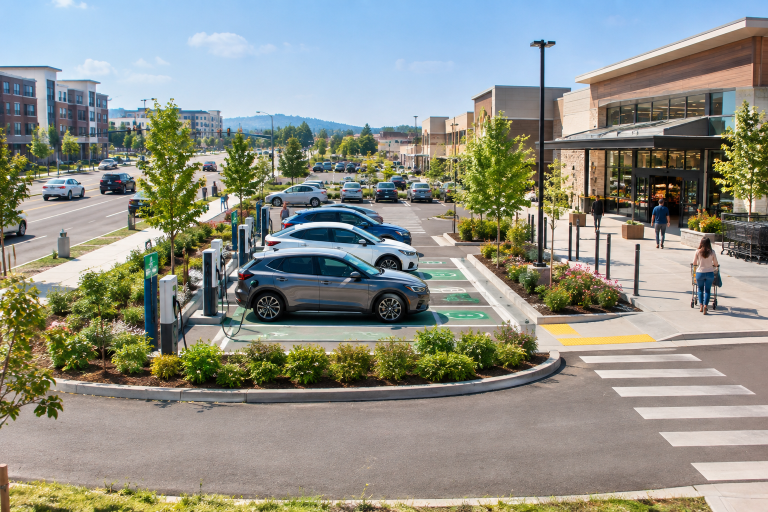
Clear signs at the property entrance and within the parking lot reduce uncertainty. Visible stalls, good lighting, clean pavement, accessible pedestrian routes, shade where appropriate, and nearby restrooms can make a site feel far more useful. For example, chargers beside a grocery store allow drivers to combine charging with an ordinary errand. Chargers hidden behind an empty office building may be technically available, but far less appealing after hours.
Choose Locations Based on Real Demand
Study how people already use the area. Useful inputs include local travel patterns, parking duration, nearby homes, workplaces, retail activity, highway routes, existing charging options, and the likely number of EV drivers who can reach the site. The U.S. Department of Energy’s state and local charging infrastructure planning guidance also emphasizes coordinated planning around local needs, site design, and future infrastructure goals.
Locations That Can Support Different Charging Needs
- Retail centers and grocery stores: Useful for drivers to charge while running errands.
- Travel plazas and highway-adjacent businesses: Better suited to short breaks, fast turnaround, and convenient amenities.
- Hotels: A practical setting for overnight guests who can charge for a longer stay.
- Workplaces and transit hubs: Potentially valuable where vehicles remain parked for several hours.
- Apartment communities: Important for residents without convenient home charging access.
- Fleet depots: Best planned around vehicle schedules, route lengths, and operational downtime.
A moderately trafficked location can still perform well when drivers stay for a predictable amount of time or return regularly. The goal is not merely to attract passing vehicles. It is intended to serve drivers whose visit patterns match the site.
Match Charging Speed to the Site
Charging speed should reflect the expected dwell time. A highway stop may need fast charging because travelers want to continue their trip promptly. A hotel, workplace, or long-stay parking facility may benefit more from charging that supports longer visits without requiring the highest available power.
- Grocery store: Prioritize convenient parking, clear access, and charging that adds useful range during a typical shopping visit.
- Highway stop: Prioritize rapid turnover, dependable equipment, visible wayfinding, food, and restrooms.
- Hotel: Prioritize dependable overnight availability and simple instructions for guests.
- Fleet yard: Prioritize electrical load planning, charging schedules, uptime, and room to grow.
The fastest equipment is not always the best fit. Planners should consider expected turnover, battery sizes, utility capacity, construction costs, operating expenses, and customer expectations for the location.
Check Power, Permits, and Physical Constraints Early
Before committing to a site, involve the utility and electrical professionals early. Ask whether sufficient capacity is available, how far the service connection is from the charging area, whether trenching or pavement work is required, and whether the electrical system can be expanded later. A property that looks inexpensive at first can become costly if it needs major upgrades, drainage changes, or long cable runs.
Also review zoning, building permits, parking requirements, signage rules, fire and emergency access, and property-owner approvals. Build time into the schedule for design, utility coordination, permitting, construction, inspections, commissioning, and testing. A realistic timeline helps prevent a station from opening before the site is truly ready for drivers.
Design for Safety and Accessibility
Safe site design includes open sightlines, lighting, durable pavement, clearly separated pedestrian routes, manageable traffic flow, and room for drivers to park and leave without conflict. Charging spaces should not force people to walk through busy vehicle lanes or navigate poorly lit corners of a property.
Accessibility must be considered from the beginning. The U.S. Access Board’s design recommendations for accessible EV charging stations address charging spaces, access aisles, accessible routes, connectors, controls, communication features, and payment interfaces. Review the complete route from the charger to sidewalks, building entrances, restrooms, and other site amenities.
Make the Station Easy to Find and Use
Drivers should be able to find accurate information before arriving and clear instructions once they are on-site. Station listings and signage should identify connector availability, access hours, pricing, parking rules, idle fees, and nearby services. Parking-lot markings should make it obvious which spaces are for active charging.
Payment should not create unnecessary friction. Support for app-based use can be useful, but a practical public site should also consider drivers who expect straightforward card or contactless payment. Clear support information matters when a driver needs help starting or ending a session.
Plan for Reliability, Maintenance, and Expansion
A charger only creates value when it works consistently. Assign clear responsibility for remote monitoring, cable inspections, screen and payment repairs, cleaning, landscaping, snow removal where needed, pavement upkeep, and prompt fault response. Track uptime, successful sessions, average session length, peak usage periods, repeat visits, and customer complaints to identify operational problems early.
Leave room for future stalls and larger electrical equipment whenever practical. A phased approach can control early costs while preserving the ability to add capacity as demand grows. Planning for expansion is usually easier before parking areas, conduits, landscaping, and traffic patterns are finalized.
A Practical Planning Process
- Define the users. Decide whether the site primarily serves residents, travelers, employees, shoppers, fleets, or a mix of users.
- Study demand. Review local travel patterns, parking behavior, amenities, competing stations, and property access.
- Match speed to dwell time. Select a charging capability that fits how long vehicles are likely to remain.
- Review utility capacity. Confirm power availability, connection costs, project timing, and expansion options.
- Test the layout. Check turning movements, cable reach, drainage, lighting, pedestrian paths, and emergency access.
- Create an operating plan. Assign responsibility for maintenance, customer support, cleaning, and performance monitoring.
Conclusion
Public EV charging sites earn repeat visits when they are easy to reach, simple to understand, safe to use, and dependable over time. By aligning the location, charging speed, electrical capacity, site design, and maintenance plan with real driver behavior, property owners and communities can build charging locations that fit naturally into everyday travel.
