

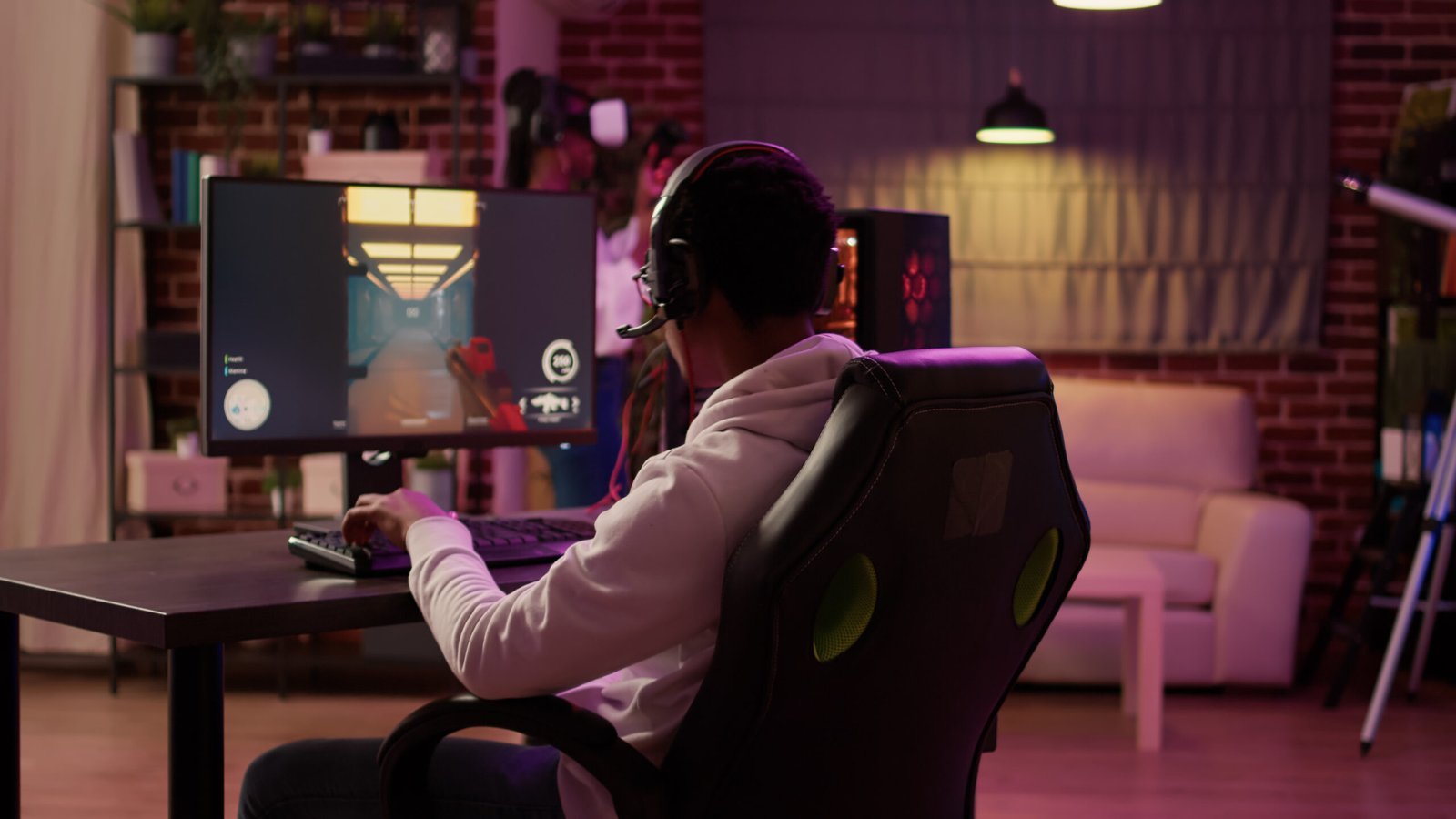
Competitive gaming has developed far beyond simply playing a video game against another person. Today, esports competitions depend on a wide range of technologies to organize matches, monitor performance, connect players, protect competitions, and deliver live entertainment to audiences. From real-time analytics to cloud infrastructure, technology has become one of the most important parts of the modern competitive gaming experience.
Tech Etruesports represents this broader relationship between technology and competitive gaming. It covers the software, hardware, data systems, connectivity solutions, and digital services that help esports competitions operate efficiently. Understanding these technologies provides useful insight into how modern gaming events are organized and why the industry continues to evolve.
What Is Tech Etruesports?
Tech Etruesports can be understood as the combination of technology and competitive gaming systems used to create a reliable and engaging esports environment. It includes tools that support players, tournament organizers, broadcasters, spectators, and gaming communities.
The technology involved can range from matchmaking systems and gaming servers to artificial intelligence, streaming infrastructure, mobile optimization, data analytics, and anti-cheat solutions. Each component has a different purpose, but they work together to create a smoother competitive experience.
For readers looking for more information about the subject, the Tech Etruesports guide explores the concept and its role in modern gaming technology.
Why Technology Matters in Competitive Gaming
Competitive gaming requires much more than powerful computers or consoles. Every match needs reliable connectivity, accurate game data, fair player interactions, and systems capable of handling large numbers of users.
A small technical problem can affect the experience for players and viewers. Lag, server instability, inaccurate statistics, or cheating can damage the integrity of a competition. Modern esports technology therefore focuses heavily on reliability, speed, fairness, and scalability.
Technology also allows organizers to create more engaging viewing experiences. Live statistics, instant replays, player information, interactive broadcasts, and multiple viewing options can help audiences understand and enjoy matches more easily.
Real-Time Data Analytics in Esports
Data has become an important part of competitive gaming. Real-time analytics systems can collect and process information during matches, allowing players, coaches, organizers, and viewers to understand what is happening.
Performance data can include statistics related to player actions, team strategies, match progress, and other game-specific measurements. Coaches may use this information to identify weaknesses and improve future strategies.
For viewers, real-time statistics can make broadcasts more informative. Instead of simply watching a match, audiences can gain additional context about player performance and important moments.
As analytics technology becomes more advanced, processing large amounts of game information in real time is becoming increasingly practical.
The Role of Artificial Intelligence
Artificial intelligence is becoming increasingly relevant to gaming technology. AI can be used in several areas, including matchmaking, moderation, analytics, and security.
One important application is matchmaking. Competitive games need to connect players with suitable opponents while considering factors such as skill level, availability, and other game-specific variables. Intelligent algorithms can analyze player data and make matchmaking decisions more efficiently.
AI can also help identify unusual behavior. When combined with other security systems, automated analysis can help detect patterns that may indicate cheating or suspicious activity.
However, AI is not a replacement for human oversight. Competitive gaming still benefits from experienced administrators, referees, developers, and tournament officials who can investigate complex situations.
Cloud Computing and Gaming Infrastructure
Cloud computing has changed the way many digital services are delivered, and competitive gaming is no exception. Cloud infrastructure can provide the computing resources required to support large gaming communities and online competitions.
Instead of depending entirely on physical hardware at a single location, cloud-based systems can distribute workloads across different resources. This can help organizations handle changing demand and support users across different regions.
Scalability is particularly important during major tournaments when thousands or even millions of people may interact with gaming services or broadcasts simultaneously.
Cloud technology can also support data storage, analytics, content delivery, and other services required behind the scenes.
Matchmaking Technology
Fair matchmaking is essential for a positive competitive experience. If players are consistently matched against opponents who are significantly stronger or weaker, the experience can become frustrating.
Modern matchmaking algorithms can consider different types of information to create more balanced matches. Skill ratings are often an important factor, but systems may also consider connection quality, geographic location, queue times, and other variables.
The goal is not simply to find an opponent quickly. A well-designed matchmaking system attempts to balance fairness, speed, and the overall quality of the gaming experience.
Anti-Cheat Technology
Fair competition depends heavily on effective anti-cheat systems. As competitive gaming has grown, cheating methods have also become more sophisticated.
Anti-cheat technology can monitor game environments for unusual behavior, unauthorized software, or suspicious activity. Some systems operate directly within games, while others analyze information from matches to identify potential violations.
The challenge is finding the right balance between security and user privacy. Security systems need to protect competitions without unnecessarily interfering with legitimate players.
Regular updates are important because cheating techniques can evolve alongside gaming technology.
Streaming and Viewer Engagement
Modern esports would not have the same reach without streaming technology. Competitive matches can now be watched by audiences across different devices and locations.
Streaming infrastructure needs to deliver video quickly and reliably while handling large audiences. Quality, latency, server capacity, and content delivery all influence the viewing experience.
Interactive features can make broadcasts even more engaging. Live statistics, player profiles, chat features, highlights, and instant replays provide additional ways for viewers to follow competitions.
The growth of mobile viewing has also made optimization important. Audiences increasingly watch gaming content on smartphones and tablets, so content needs to work well across different screen sizes and connection speeds.
Mobile Optimization in Modern Esports
Mobile gaming has become a major part of the competitive gaming ecosystem. This means esports technology increasingly needs to support users who do not rely on traditional desktop computers or consoles.
Mobile optimization involves more than making a website smaller. Interfaces need to be easy to navigate on touchscreens, content should load efficiently, and services need to work reliably on different mobile connections.
Gaming organizers and technology developers also need to consider the different hardware capabilities of mobile devices. A solution that works well on a high-end smartphone may not perform the same way on an entry-level device.
How Gaming Technology Is Evolving
The future of competitive gaming technology will likely involve greater integration between artificial intelligence, analytics, cloud infrastructure, mobile services, and real-time communication.
New technologies may make it easier to analyze matches, personalize viewer experiences, detect suspicious activity, and manage large competitions. At the same time, developers will need to address challenges involving privacy, security, accessibility, and responsible use of automated systems.
Readers interested in broader technology trends can also explore Tech Hence, which covers another area of the rapidly changing digital landscape.
Another useful technology-related topic is Tech Ehla Com, offering readers an opportunity to explore a different digital concept alongside competitive gaming technology.
What Makes Etruesports Technology Effective?
Successful esports technology needs to solve practical problems without making the experience unnecessarily complicated. Players need reliable systems, tournament organizers need efficient management tools, and audiences need smooth access to matches and information.
Speed is important, but reliability matters just as much. A system that performs extremely well under normal conditions but fails during a major tournament can create serious problems.
Security is equally important. Competitive gaming depends on trust, meaning players and viewers need confidence that matches are being conducted fairly.
Final Thoughts
Tech Etruesports demonstrates how deeply technology has become connected with modern competitive gaming. Behind every successful esports match is a collection of systems responsible for connectivity, matchmaking, analytics, security, streaming, and data management.
Artificial intelligence, cloud computing, mobile optimization, and real-time analytics are helping shape the next stage of competitive gaming. At the same time, anti-cheat technology and reliable infrastructure remain essential for maintaining fairness and trust.
As esports continues to expand, technology will remain at the center of its development. Understanding these systems makes it easier to appreciate what happens behind the screen and why modern competitive gaming is becoming increasingly sophisticated.