

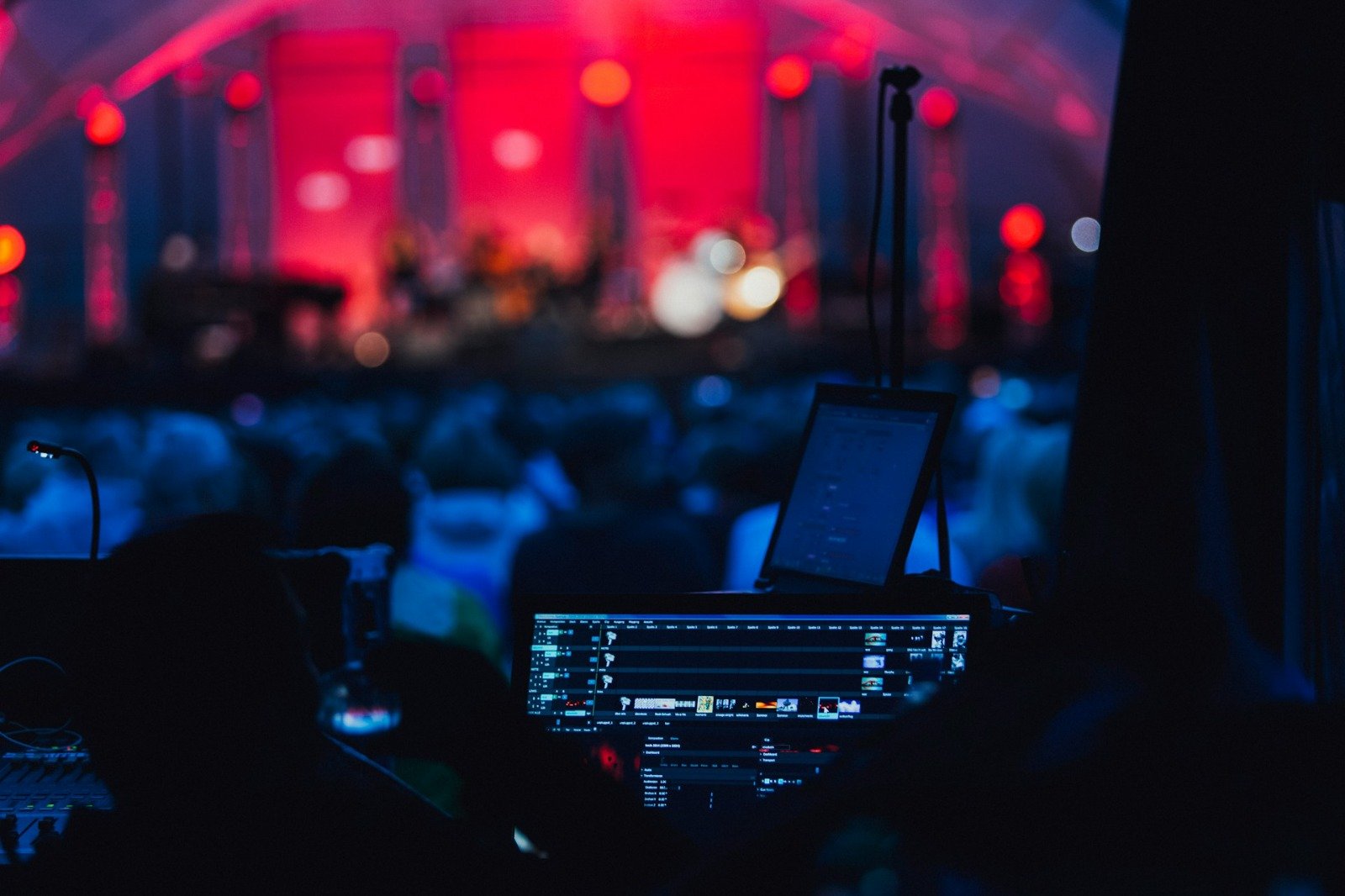
The management of live events has been altered by technology. Not in the fancy “everything is AI now” sense, but rather in the useful, unseen labour that goes on behind the scenes. Consider a trade fair, music festival, conference, or sporting event. Security staff, registration desks, production crews, technicians, volunteers, and vendors are all working simultaneously. Small issues can grow into much larger ones if communication slows down, even for a few minutes. Because of this, event technology is being used for more than just impressing attendees. It’s about assisting employees in maintaining communication, responding promptly, and preventing needless delays.
Everything Works Better When Information Is in One Place
One thing that causes problems at large events is people working with different information. Someone changes a schedule, another team doesn’t hear about it, security sends visitors to the wrong entrance, production is waiting for equipment that was moved somewhere else. It happens more often than most people realise.
Modern event management platforms help avoid that. Without continuously making phone calls or following individuals around the venue, teams can assign tasks, monitor updates in real time, and see what has been completed and what is still waiting. It’s a straightforward improvement, but at a hectic event, it saves a surprising amount of time.
Faster Entry Means Happier Visitors
Nobody really likes to stand in a queue before an event has even started. This is one of the reasons QR code tickets, NFC passes, and RFID badges are so widely used. They expedite the check-in process, minimise human labour, and facilitate the management of area access.
Additionally, these systems gather helpful data in the background. The busiest entrances, spots where crowds are gathering, and areas that are approaching capacity are all visible to organisers. Recent developments in RFID technology have made this kind of live monitoring much more accurate than it was only a few years ago, especially for large venues and exhibitions. Instead of guessing what’s happening, teams can actually see it.
Smartphones Help…But They’re Not Always Enough
Almost everyone working at an event carries a smartphone. It handles schedules, emails, messaging apps, photos, maps and plenty of other tasks. The problem is that mobile networks aren’t always reliable once thousands of people gather in one place. Concerts, exhibitions and sporting events often put huge pressure on local networks, and delays are common exactly when fast communication matters most.
That’s why many organisers still keep radios as part of their communication setup. Using two way radio hire gives teams instant push-to-talk communication that doesn’t depend on mobile data or crowded phone networks. Security staff, production crews and parking teams often need immediate responses, and radios are still one of the quickest ways to make that happen. It’s not about replacing smartphones. Both tools have different jobs, and together they make communication much more reliable.
AI Is Becoming More Useful Than People Expected
Artificial intelligence gets a lot of attention, but its biggest value at events isn’t replacing people. It’s helping people notice things sooner. Some platforms can spot unusual crowd movement, predict long queues before they become a problem, or identify areas where extra staff may be needed. Others help answer common attendee questions automatically or generate reports once the event ends. Most organisers still make the important decisions themselves. AI simply gives them better information to work with.
The Data Doesn’t Stop Being Useful
Once an event finishes, there’s usually a huge amount of information available. Attendance numbers. Popular sessions. Busy entrances. Average waiting times. Feedback from visitors. Even simple data like this helps organisers improve the next event. Maybe another entrance is needed. Maybe registration needs more staff during the first hour. Maybe one stage was too small for the audience it attracted. Planning becomes much easier when decisions are based on real numbers instead of assumptions.
Good Technology Doesn’t Have to Be Complicated
There’s always a temptation to buy every new platform or gadget that appears on the market. In reality, the best event setups are usually the simplest ones. Reliable communication, clear task management, fast entry systems and useful reporting often have a bigger impact than adding another expensive piece of software.
Technology should make life easier for the people running the event. When staff can communicate without confusion, respond quickly to changing situations and keep visitors moving smoothly, that’s when technology is actually doing its job. That’s probably the biggest shift in live events over the last few years. The focus isn’t on having more technology. It’s on choosing technology that quietly helps everything else work better.
