

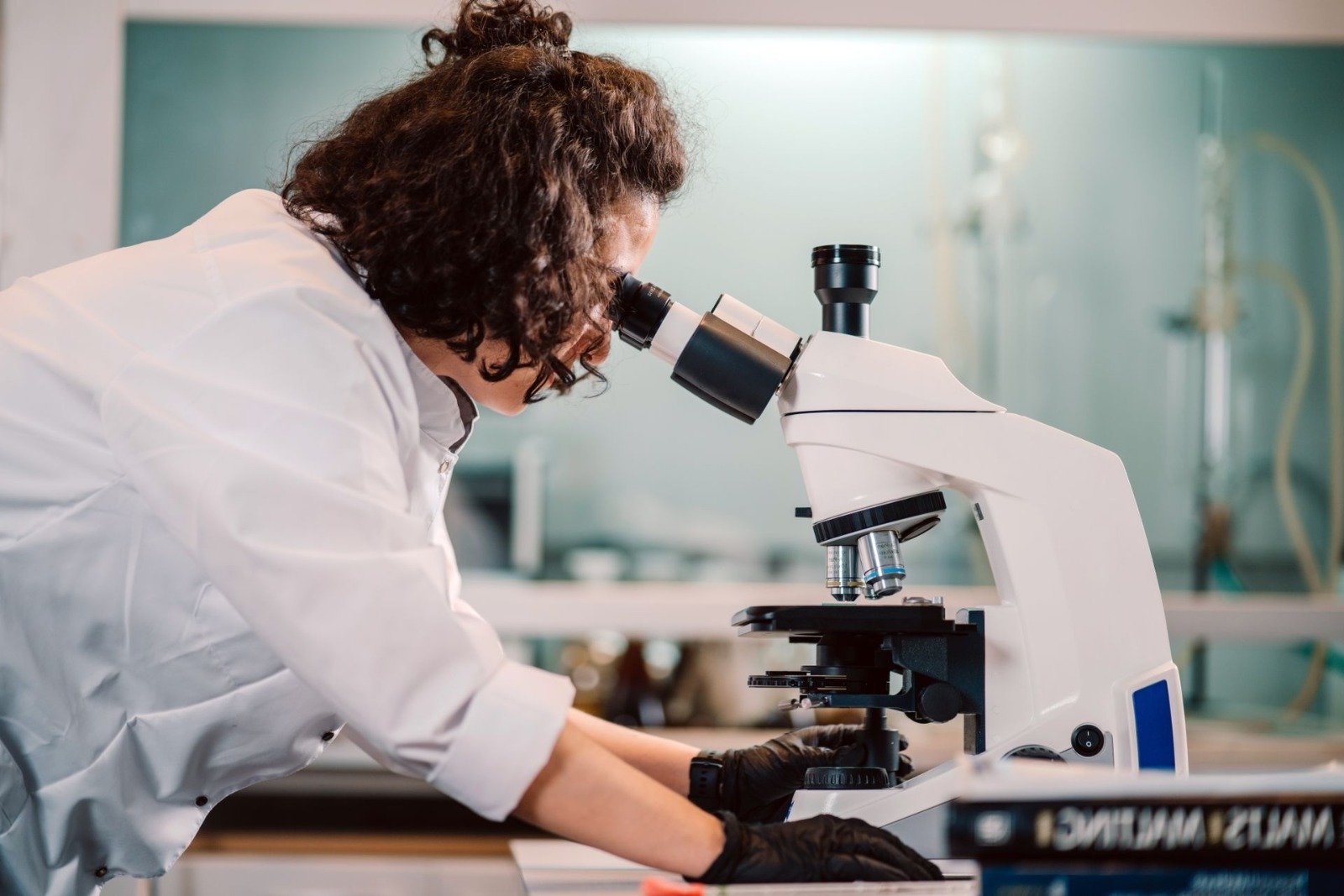
People usually think research labs are all about scientists and expensive equipment. That’s part of it. But honestly, a lot of the progress happening today has less to do with buying one fancy machine and more to do with how everything works together. Software talks to instruments. Imaging systems send data straight into analysis platforms. Robots take care of repetitive jobs that nobody wants to spend six hours doing.
A modern lab is basically a mix of science, automation, computers, and a lot of data. And that’s changing pretty quickly.
It All Starts with Data
Every experiment creates information. Sometimes that’s a handful of images. Sometimes it’s thousands of files generated in a single day. Managing all of that manually just isn’t realistic anymore. That’s why most research facilities now rely on systems like:
- Laboratory Information Management Systems (LIMS)
- Electronic Laboratory Notebooks (ELNs)
- Cloud storage
- Secure backup platforms
They’re not exciting pieces of technology. But they save people from hunting through folders or trying to figure out which spreadsheet is actually the latest version. That alone makes a difference.
AI Is Showing Up Everywhere…
Not in the dramatic “robots replacing scientists” kind of way. Mostly, AI is doing the boring stuff.
Things like:
- Finding patterns inside huge datasets
- Comparing thousands of microscope images
- Highlighting unusual results
- Speeding up data analysis
Researchers still make the decisions. AI just gets through the repetitive work much faster. The National Institutes of Health has been investing heavily in AI-assisted biomedical research because it’s proving useful where datasets are simply too large for manual review.
Automation Saves More Time Than People Think
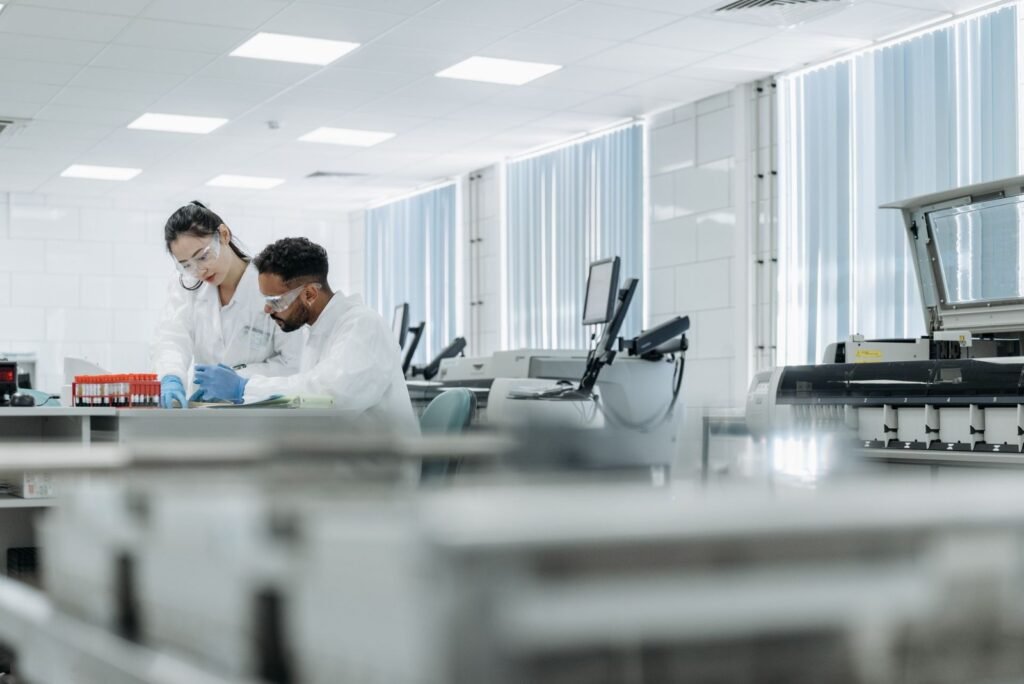
A lot of laboratory work is repetitive. The exact same process…Again. And again. And again. Preparing samples. Moving plates. Running identical tests. Pipetting. None of those jobs suddenly became less important. They’re just better suited for automated systems now.
The nice thing isn’t only speed. It’s consistency. Machines don’t get distracted halfway through the hundredth sample.
Better Imaging Has Quietly Changed Research
Imaging probably doesn’t get as much attention as AI. Maybe it should. Whether someone is studying cells, documenting fluorescence, or comparing DNA samples, good images matter. Poor image quality usually means spending more time checking results later.
Today’s imaging systems are much sharper than they were a few years ago, and the software has improved just as much. Measurements that once took ages can often be generated automatically. Many laboratories also combine these imaging platforms with specialised molecular biology instruments when documenting and analysing biological samples across different research applications.
Labs Are Becoming Connected
This is something that’s easy to overlook. Equipment doesn’t just sit there anymore. Freezers monitor themselves. Sensors watch room conditions. Software reminds teams when instruments need maintenance. If the temperature changes unexpectedly overnight, someone can know about it before an entire batch of samples is lost.
Small improvement? Maybe. Expensive mistake avoided? Definitely.
None Of These Technologies Work Well Alone
Buying one impressive piece of equipment rarely transforms a laboratory. It’s usually the combination that makes the difference.
Think about it:
- A microscope creates images.
- Software analyses them.
- Cloud storage keeps everything accessible.
- AI helps identify patterns.
- Automation prepares the next batch of samples.
Everything feeds into everything else. That’s where laboratories really gain efficiency.
What’s Next?
Probably more integration. More automation. Smarter software. Better imaging. Those trends aren’t exactly surprising anymore. What’s interesting is how quickly they’ve become normal.
Five or six years ago, fully connected laboratories were mostly something large research centres talked about. Now they’re becoming the expectation. Technology keeps evolving, but the goal hasn’t really changed. Produce reliable data. Reduce unnecessary work. Give researchers more time to focus on the science instead of managing the process.
